
Career Stage Impacts NBA Player Age Performance
 Available in US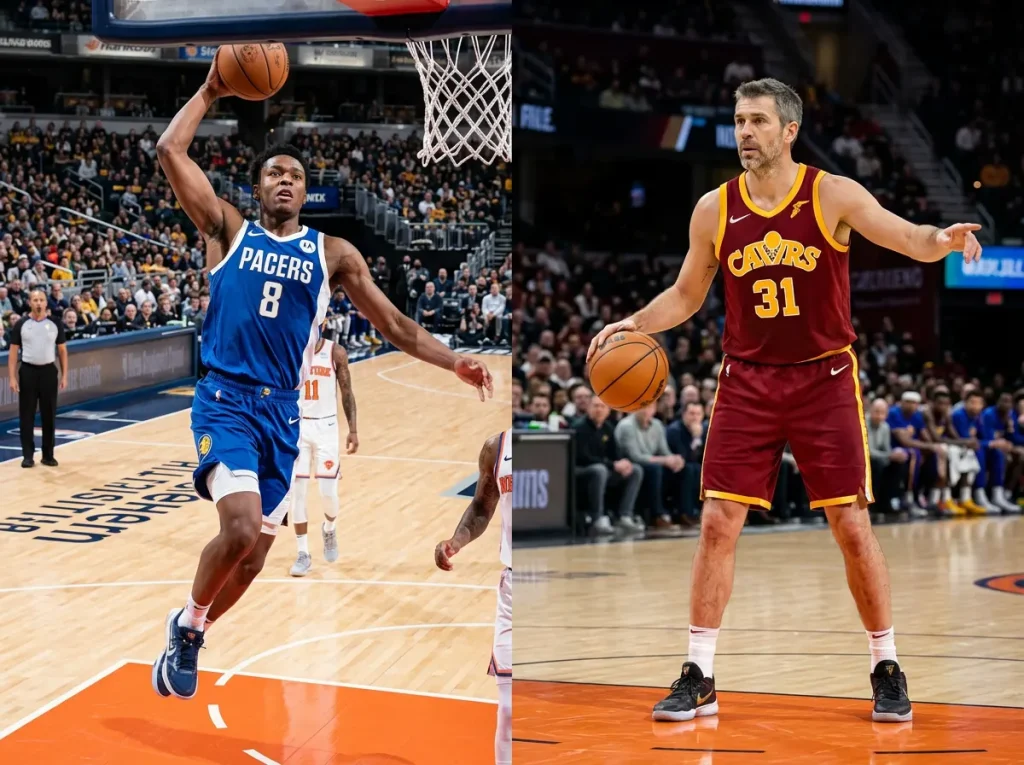
NBA players peak between ages 24 and 27 according to most research – a window where physical prime meets developed skill and experience. But this generalisation obscures enormous variation by player type, statistical category, and individual trajectory. For prop betting, understanding how age affects specific performance dimensions creates edges that broad peak-age rules miss.
I started paying attention to age effects after noticing persistent patterns in my records. Veteran guards seemed to hit assist overs more reliably than scoring overs. Young athletic bigs outperformed their defensive stat props while struggling on skill-based categories. These were not coincidences – they reflected how different abilities develop and decline across careers.
This guide examines how player age and career stage affect NBA prop betting, identifying where age-related edges might exist in current markets.
NBA Aging Curve Impact on Prop Statistics
Athletic peak occurs earlier than skill peak for most players. Explosiveness, speed, and recovery ability typically peak in the early-to-mid twenties. Basketball skills – shooting, passing, positioning, game management – continue developing into the late twenties for many players. This creates diverging trajectories for different statistical categories.
Scoring typically peaks between 25-28 for volume scorers. The combination of physical ability to create separation and developed skill to convert difficult shots produces maximum scoring output in this window. Players on either side of this range may still score effectively but often less efficiently or with less volume.
Rebounding shows a different pattern. Positioning and anticipation matter more than raw athleticism for rebounding, so elite rebounders often maintain production deep into their thirties. Veterans who lose steps defensively may actually increase rebounding by compensating with better positioning.
Assists often increase with age as players develop court vision and passing skill. Point guards in their late twenties frequently post career-high assist numbers despite declining athleticism. The mental aspects of playmaking continue improving even as physical tools decline.
Defensive statistics generally decline with age as reaction time and lateral quickness erode. Steals and blocks require burst movements that age attacks earliest. Even elite defenders see these counting stats fade in their thirties regardless of overall defensive impact.
Young Player Prop Patterns
Players under 24 present specific prop betting considerations. Their production is inherently less stable as they develop skills and find consistent roles. This instability creates both risk and opportunity in prop markets.
Minutes volatility affects young players more than veterans. Coaches often manage young player minutes based on performance and matchups, creating unpredictable playing time that makes prop projection difficult. A talented second-year player might play 32 minutes one game and 18 the next based on game flow.
Development mid-season creates moving targets. A young player might improve substantially between December and March as skills develop through repetition. Props set based on early-season performance may underprice a player whose ability has genuinely grown.
Shooting percentages for young players often improve throughout seasons. Adjusting to NBA three-point range, defensive intensity, and game speed takes time. A player shooting 32% from three in November might shoot 38% by March as comfort develops.
Defensive stats for athletic young players sometimes offer value. Elite athleticism produces steals and blocks even without refined defensive technique. Young players with exceptional physical tools may outperform defensive prop lines that underweight their athletic advantages.
Veteran Player Prop Patterns
Players over 32 face different considerations. They have established skill profiles but declining physical tools. Understanding which abilities persist and which fade helps identify where veteran props offer value.
Load management affects veteran props systematically. Teams rest older players more aggressively, creating minutes uncertainty that markets do not always price correctly. A veteran averaging 30 minutes might play only 24 on certain schedule spots, directly impacting prop projections.
Efficiency often improves even as volume declines for smart veterans. Players who adapt their games to declining athleticism may shoot better percentages by taking higher-quality shots. This efficiency gain partially offsets volume decline for scoring props.
Playmaking props often remain reliable for veteran guards. Court vision and passing creativity do not depend on speed. Veteran point guards frequently maintain or increase assist production even as scoring declines, making assist props potentially more predictable than scoring props.
Back-to-back performance declines more sharply for veterans. Recovery ability fades with age, making the second night of back-to-backs particularly challenging. Prop adjustments for veteran back-to-backs should exceed adjustments for younger players facing the same schedule.
Injury history compounds with age. Veterans carrying accumulated wear may see unexpected absences or minutes restrictions. Factor injury risk more heavily when projecting veteran props, particularly for players with documented chronic issues.
Frequently Asked Questions
At what age do NBA players typically peak for prop betting purposes?
Physical peak occurs around 24-27 for most players, but different skills peak at different times. Scoring peaks mid-to-late twenties. Rebounding and assists can remain strong into the thirties. Defensive stats typically decline earliest as athleticism fades.
Are young player props harder to predict than veteran props?
Generally yes. Young players face more minutes volatility, ongoing development that changes their production profile, and less historical data for projection. Veterans offer more stability but face load management and decline considerations.
Should I adjust props differently for veterans on back-to-backs?
Yes. Recovery ability declines with age, making back-to-back fatigue effects more pronounced for veterans. Apply larger downward adjustments to veteran props on back-to-back second nights compared to younger players facing the same situation.
Incorporating Age Into Analysis
Add player age to your standard prop research workflow. Before evaluating any prop, note where the player sits in their career arc and how that might affect the specific statistical category you are betting. Age context should inform every projection you make, even if the adjustment is small.
Track age-related patterns in your own betting records. Do your veteran player props perform differently than your young player props? Which age groups and categories show positive results? Your personal data may reveal age-related edges specific to your analytical approach that general research does not capture.
Watch for age-driven market inefficiencies. Markets may underadjust for young player development or veteran decline. When a player’s recent performance diverges from career patterns in age-predictable ways, the market may be slow to update. These adjustment lags create betting opportunities.
Combine age analysis with other factors rather than treating it in isolation. Age interacts with matchup, schedule, role, and health considerations. The most accurate projections integrate age as one input among many rather than overweighting it relative to other relevant factors. Balance is essential for accurate modelling.
Study how specific players have aged compared to typical career arcs. Some players decline faster than average while others maintain production well beyond expected timelines. Historical data on individual aging patterns provides more precise projections than league-wide averages applied uniformly.
Pay attention to physical indicators that signal aging effects. Declining athleticism shows in game film before it appears in statistics. Watching how a player moves compared to previous seasons reveals aging effects that pure numbers may not yet reflect. This observational edge complements statistical analysis.
Update your age-related expectations annually as new research emerges. Sports science understanding of aging curves continues to evolve. Methods that extend careers or accelerate development change how age affects performance. Stay current with analytical developments that might shift optimal age-related adjustments.
