
Defensive Markets For NBA Steals Blocks Prop Bets
 Available in US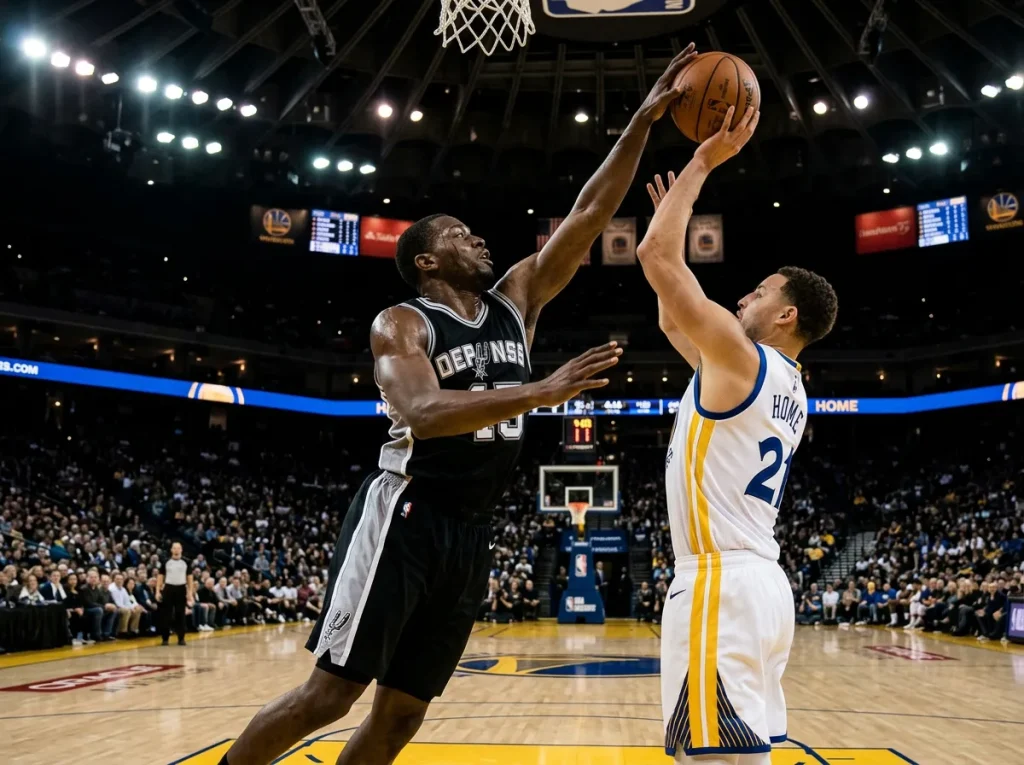
I once watched Anthony Davis record 6 blocks in the first half. My over 2.5 blocks bet cashed before the third quarter started. The next game against the same opponent, he finished with zero. That whiplash captures everything you need to know about defensive props – they offer genuine edges precisely because the outcomes swing so wildly that most bettors cannot stomach the variance.
Steals and blocks represent the most volatile prop markets in basketball. The 2025-26 NBA season data confirms what experienced bettors already understood: the heavily-traded points market gets priced much tighter than lower-volume blocks and steals markets. That pricing gap exists because bookmakers struggle to model these low-frequency events with the same precision they bring to scoring and rebounding.
Exotic and secondary player props consistently carry higher bookmaker hold than primary markets. The less efficient the market, the higher the bookmaker’s edge. But that generalisation masks an important nuance: higher hold means worse average value, but it also means more frequent mispricing. Defensive props sit in this sweet spot where bookmaker uncertainty creates exploitable situations for bettors who understand the underlying dynamics.
UK punters approaching these markets need realistic expectations about variance while recognising the genuine edges available to patient handicappers.
NBA Defensive Steals and Blocks Market Structure
Steals and blocks props follow the same structure as other player markets – a line set by the bookmaker with over and under options. Marcus Smart at 1.5 steals, over or under. Victor Wembanyama at 2.5 blocks, over or under. Choose your side, and settlement happens based on the official box score including overtime.
The key difference from offensive props lies in the frequency of these events. A typical NBA game features 150-200 total points scored between both teams. The same game produces roughly 15-20 total steals and 10-15 total blocks distributed across all players. This scarcity means individual defensive statistics cluster around very low numbers with meaningful probability of recording zero.
Most players see lines set at 0.5, 1.5, or 2.5 for both steals and blocks. Elite defensive specialists – true rim protectors and perimeter disruptors – might see lines as high as 3.5 blocks or 2.5 steals. But even the league leaders in these categories average only 2-3 per game, making any individual prop a bet on a handful of discrete events.
Combined “stocks” props – steals plus blocks together – exist at some UK bookmakers. These combination lines reduce variance slightly by pooling defensive outcomes. A player averaging 1.0 steals and 1.5 blocks might see a stocks line at 2.5 rather than separate props at 0.5 and 1.5. The same variance reduction logic that makes PRA attractive applies here.
Settlement quirks matter for defensive props. A blocked shot that goes out of bounds without the blocking team recovering possession still counts as a block. A steal credited when a player forces a turnover through pressure, even without directly touching the ball during the turnover itself, counts under certain scoring circumstances. Understanding how statisticians award these events helps interpret why game logs sometimes surprise.
Volatility in Defensive Stats
The mathematics of defensive props demand respect. When a player averages 1.5 steals per game, that average emerges from games with 0, 1, 2, 3, and occasionally 4+ steals. The distribution around that average is not normal – it skews heavily toward low outcomes with a long tail of high-steal games. This distribution means the “over 1.5” bet loses more often than the average suggests until those occasional big games compensate.
Blocks show even more volatility than steals because they depend on opponent behaviour. A rim protector cannot block shots if opponents never challenge him at the rim. Teams facing elite shot blockers often adjust their approach mid-game, driving and kicking rather than attacking the basket. This adjustment factor makes blocks particularly hard to project even when you correctly assess the blocker’s ability.
Game flow influences defensive stat accumulation in non-obvious ways. Blowouts reduce defensive opportunity for the leading team as opponents hurry shots and the game becomes chaotic. Close games increase intensity and effort, potentially boosting defensive stats. But close games also mean tighter offensive execution with fewer sloppy turnovers to steal. These competing effects make game-script analysis for defensive props unusually complex.
Small sample sizes amplify the problem. A player averaging 1.2 steals per game gives you roughly 100 steal opportunities across an 82-game season. That sample is too small for individual game projections to carry much confidence. You know the player will record around 100 steals over the season, but predicting which games produce 0 versus 3 remains genuinely difficult.
The variance is not a bug to be eliminated through better analysis – it is a fundamental feature of betting low-frequency discrete events. Accepting this reality shapes appropriate bankroll management and expectation setting.
Finding Value in Low-Volume Markets
Bookmaker uncertainty creates your edge. When pricing points props, bookmakers draw on decades of modelling refinement with massive datasets. For steals and blocks, the historical data is sparser, the predictive models less sophisticated, and the sharp bettor attention minimal. This relative neglect means pricing errors persist longer before correction.
Matchup analysis matters more than baseline statistics for defensive props. A guard averaging 1.0 steals per game against the league might average 1.8 against teams with turnover-prone ball handlers. Identifying these matchup-specific uplift opportunities – and recognising when the market fails to price them – creates consistent value that season averages cannot capture.
Opponent offensive style drives blocking opportunity more than any defensive statistic. Teams that attack the rim aggressively give shot blockers more chances. Teams that rely on jump shooting and perimeter creation generate fewer blocking opportunities regardless of the defender’s ability. When a rim protector faces a paint-attacking opponent, his blocking line should adjust upward from his average even if the betting market does not fully reflect it.
The “no” or “under” side often holds better value than recreational bettors assume. Casual money gravitates toward betting on exciting defensive plays – backing a highlight reel block or a timely steal feels more engaging than betting against them. This preference bias occasionally pushes under prices into profitable territory, particularly on players whose defensive reputation exceeds their actual statistical production.
Track your defensive prop results obsessively. The variance means you need 200+ bets before you can confidently assess whether your edge is real. Shorter samples will show wild fluctuations that mean nothing. Build a spreadsheet, log every bet, and resist the urge to abandon your approach based on 20-bet results that fall outside expectations.
Frequently Asked Questions
Why are steals and blocks props so unpredictable?
These defensive events occur infrequently – the league leader in blocks averages only about 3 per game. Low-frequency events create high variance. A player averaging 1.5 blocks might record 0 in one game and 5 in the next while staying perfectly on pace for his season average.
What is the average bookmaker hold on defensive props?
Defensive props typically carry 5-8% bookmaker hold compared to 4-5% on heavily-traded points markets. This higher margin reflects bookmaker uncertainty in pricing volatile outcomes. However, the same uncertainty creates mispricing opportunities for sharp bettors.
Should beginners avoid defensive stat props?
Beginners should approach defensive props cautiously due to variance. Start with other prop categories to develop handicapping skills, then add defensive props once you understand variance management and have sufficient bankroll to withstand inevitable swings.
Approaching Defensive Props Strategically
Defensive props reward bettors who combine matchup expertise with variance tolerance. The edges exist – bookmaker uncertainty guarantees mispricing – but accessing those edges requires surviving the volatility inherent in low-frequency statistical events. Size your defensive prop bets smaller than your points or rebounds bets to account for the additional variance.
Specialise in a handful of elite defenders whose patterns you understand deeply. Know which matchups historically produce elevated steal or block totals. Track how these players perform against different offensive schemes. That focused expertise beats superficial analysis across dozens of players whose defensive tendencies you barely understand.
Use defensive props as a portfolio diversifier rather than a primary betting market. A mix of points, rebounds, assists, and defensive props smooths overall returns while capturing edges across multiple market segments. The defensive component adds variance to individual bets but reduces correlation risk across your total betting activity.
Articles
Created by the "" editorial team.
